
Fair prices. Fast approvals. Your health always comes first. Get Qualified for a Georgia Medical Marijuana Card Today.
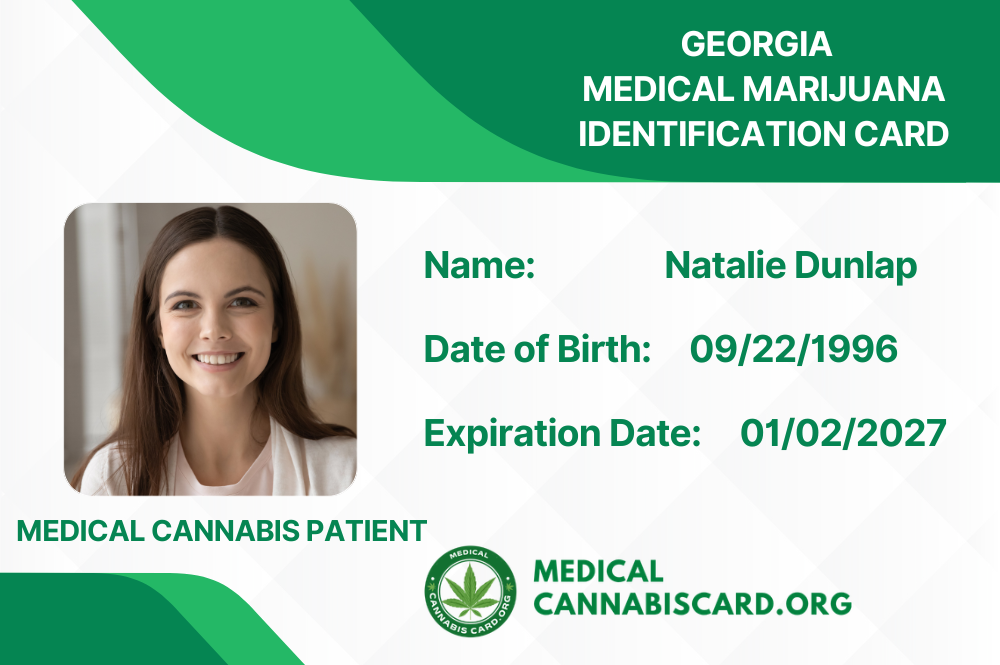
Living in the Peach State offers a lot of beauty, from the rolling hills of North Georgia to the historic streets of Savannah. However, living with a chronic illness can make it hard to enjoy everything our state has to offer. If you are seeking natural relief, you must first understand the qualifying conditions for a Medical Card in Georgia [2026]. Georgia’s medical program is unique. It focuses specifically on Low THC Oil.
This oil is designed to help patients manage symptoms without the intense “high” associated with traditional cannabis. In this guide, we will break down the legal requirements and the specific health issues that allow you to join the state registry.
Georgia has come a long way since the “Haleigh’s Hope Act” was first signed. As we move through 2026, the program has expanded to include more residents. Whether you are dealing with the humid summers in Macon that aggravate joint pain or the stress of a daily commute on I-285 in Atlanta, relief is available.
To stay legal, you must have a Low THC Oil Registry Card. This card proves you are allowed to possess up to 20 fluid ounces of oil containing no more than 5% THC. To get this card, your health history must match the qualifying conditions for the Medical Card in Georgia 2026.
The Georgia Department of Public Health (DPH) maintains a specific list. Below are the primary conditions that make a patient eligible for a card today.
Cancer remains one of the primary reasons patients seek medical cards in Georgia. The law covers cancer when the disease has reached an end stage or when the treatment itself (like chemotherapy) causes “wasting illness” or severe nausea.
For many living in the quiet suburbs of Gwinnett County or the high-rises of Buckhead, this oil provides a way to regain their appetite and strength.
ALS is a progressive disease that affects nerve cells. In Georgia, patients diagnosed with ALS qualify for the registry to help manage muscle spasticity and discomfort.
This was the foundation of Georgia’s program. If you or a loved one suffers from epilepsy or trauma-related head injuries that cause seizures, you are eligible. Many families in rural South Georgia have found that Low THC Oil significantly reduces the frequency of these episodes.
MS can cause severe nerve pain and mobility issues. The humid Georgia weather can often make MS symptoms feel worse. If you have been diagnosed with MS, you meet the criteria for the registry.
Parkinson’s affects movement and can cause tremors. Georgia law allows these patients to use Low THC Oil to help improve their quality of life.
Sickle Cell is a significant health concern in the Southeast. The painful “crises” associated with this condition are recognized by the state. Patients can use medical oil to manage the intense pain that often leads to hospital visits.
In recent years, Georgia expanded the list to include PTSD. This is vital for our many veterans living near Fort Moore or Hunter Army Airfield. If you have a formal diagnosis of PTSD from a licensed mental health professional, you can apply for your card.
These inflammatory bowel diseases can be debilitating. If traditional treatments haven’t worked, the state allows the use of medical oil to reduce inflammation and pain.
For patients with Autism, the law allows for medical oil use if the patient is over 18. If the patient is under 18, they must have a diagnosis of “severe” autism to qualify.
Both of these conditions are included on the official list. They often require specialized care, and the registry card offers an alternative path for symptom management.
This is one of the most common qualifying conditions for Medical Card in Georgia [2026]. If you have pain that has lasted for more than six months and has not responded to other treatments, you may qualify.
This is especially helpful for residents in older, two-story homes in Marietta who find climbing stairs difficult due to long-term injury.
Knowing the conditions is just the first step. You cannot simply walk into a pharmacy and ask for oil. You need a recommendation from a doctor.
Georgia life is vibrant, but it is physically demanding. Whether you are walking the steep streets of Athens or working in the busy ports of Brunswick, physical health is key.
Many Georgians live in “Craftsman” style homes or “Ranch” homes. These often require a lot of maintenance. For a homeowner in Alpharetta, a diagnosis of chronic pain can make yard work or home repairs impossible. By accessing the Low THC Oil Registry, many residents find they can return to the activities they love.
The weather also plays a role. Georgia is known for its “pollen apocalypse” in the spring and heavy humidity in the summer. These environmental factors can trigger inflammation and worsen the symptoms of MS or Crohn’s. Having a legal way to manage these flare-ups is a game-changer for locals.
If you recognize your condition on the list above, why wait? The process in Georgia has become more streamlined. You no longer have to suffer in silence or rely solely on heavy pharmaceuticals that leave you feeling groggy.
By securing your medical card, you gain access to safe, lab-tested oils from licensed dispensaries. These locations are popping up near major landmarks like the Battery Atlanta and Town Center Mall. Take the first step toward a more comfortable life today.
According to medical experts, the inclusion of “Intractable Pain” and “PTSD” changed the landscape for Georgia patients. These are broad categories that allow doctors more freedom to help those who are truly suffering.
If you are visiting from out of state, Georgia does recognize some medical cards from other states. However, you must still follow Georgia’s laws regarding the 5% THC limit. If you are a permanent resident, it is always better to have a Georgia-issued card to avoid any legal confusion with local law enforcement.
The path to wellness in Georgia is clearer than ever before. By understanding the qualifying conditions for Medical Card in Georgia [2026], you can determine if this legal medical program is right for you. From the mountains to the coast, every citizen deserves the right to seek relief. If you have one of the conditions listed above, reach out to a licensed physician today and start your journey toward a better quality of life.